PENGOLAHAN LIMBAH PUNTUNG ROKOK MENJADI PESTISIDA NABATI
DOI:
https://doi.org/10.68215/daloha.v1i1.13-20Keywords:
Botanical Pesticide, Cigarette Butt, Waste, Sustainable Agriculture, FermentationAbstract
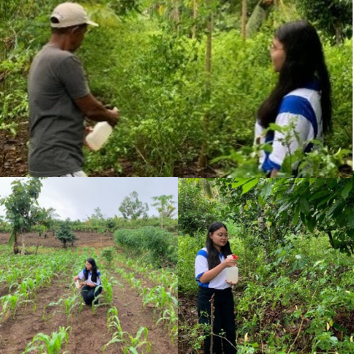
Cigarette butt waste is one of the most commonly found types of waste in the environment but is rarely utilized. In fact, the nicotine and other bioactive compounds contained in residual cigarette tobacco have the potential to be developed into environmentally friendly botanical pesticides. This study aims to examine the potential of utilizing cigarette butt waste as a raw material for botanical pesticides and to educate the community of Telaga Kodok Village, Leihitu District, Central Maluku, in their production and application. The methods employed included counseling and direct demonstrations to local farmer groups. The results showed that cigarette butt waste could be processed through a simple fermentation method with the addition of water and natural adhesives. The fermented liquid proved effective when applied to corn and chili plants to control pest attacks. This community service program not only enhanced farmers' knowledge and skills in independently producing botanical pesticides but also contributed to reducing environmental waste and decreasing dependence on synthetic chemical pesticides. The sustainability of this program is expected to be supported by various stakeholders to realize more sustainable agriculture in the future.
Downloads
Published
How to Cite
Issue
Section
License
Copyright (c) 2026 Daloha: Jurnal Pengabdian Masyarakat

This work is licensed under a Creative Commons Attribution-NonCommercial-ShareAlike 4.0 International License.